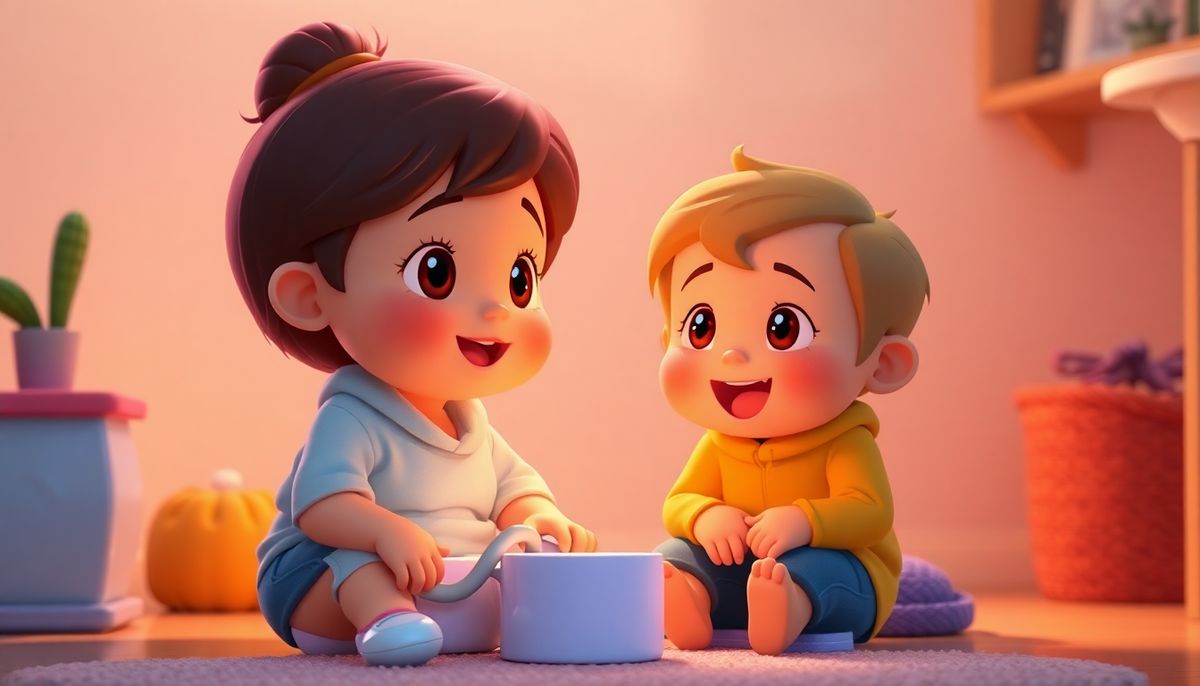
Why the Right Gift Actually Matters Here
Potty training isn't really about the potty. It's about a small child giving up something familiar — diapers, the comfort of not having to notice their body's signals — and trusting that they can handle something new. That's a big emotional lift for a 2, 3, or 4-year-old. A thoughtful gift, chosen well, can genuinely help with that lift. A random toy grabbed off a shelf because it says "potty" on the box usually doesn't.
The goal isn't to bribe a child into using the toilet. It's to give them something that makes the whole process feel less scary and more like an accomplishment they're capable of.
What Kids This Age Actually Need to Feel Supported
Before you shop, it helps to know what's actually going on developmentally. Kids 2-4 are working on:
- Body awareness — learning to notice and act on physical signals before it's too late
- Independence — wanting to do things themselves, even when it's frustrating
- Predictability — feeling calmer when they know what happens next
- Identity — starting to see themselves as a "big kid," which is often more motivating than any sticker
A gift that speaks to one or more of these does more than entertain — it becomes a tool the child actually uses during the hard moments.
Gifts That Build Real Confidence
A book that walks through the process. Kids this age make sense of new experiences through story and repetition. A book that shows a character going through the same thing — the uncertainty, the accidents, the eventual success — gives a child a script to follow and proof that it's doable. This is one of the most underrated potty training tools, honestly more effective than most toys. If you're looking for one, No More Diapers is built around exactly this transition, with a story that centers the child's own experience rather than just cheerleading from the sidelines.
Underwear with characters they love. Not as a bribe, but as an identity marker. Wearing "big kid underwear" — not pull-ups, not diapers — gives kids a tangible, wearable sign that they're changing. Let them pick the characters themselves if you can.
A step stool or their own small potty seat. Physical independence matters here. Being able to climb up, sit down, and reach the sink to wash hands without needing help every time reduces frustration and builds real competence, not just praise.
A simple sticker or progress chart. Useful in moderation — it gives visible proof of effort. But keep the goal small and achievable (using the potty, not necessarily "staying dry all day") so the child experiences frequent wins instead of frequent failure.
A "big kid" milestone object. Some families mark the transition with something small and symbolic — a special cup, a night-light, a stuffed animal introduced specifically as their "potty buddy." It doesn't need to be expensive. It needs to signal: something changed, and it's good.
What to Skip
- Toys with no connection to the process. A gift that's unrelated to potty training can be fine as a separate treat, but don't expect it to help with motivation just because it arrived during this phase.
- Reward systems that only pay out for "staying dry." This punishes accidents, which are a normal part of learning, not a failure. Reward the attempt and the effort, not just the outcome.
- Anything that adds pressure. Countdown charts, comparisons to other kids, or gifts framed as "you'll get this when you're done with diapers" can backfire, especially with more anxious or cautious kids. The goal is to reduce pressure, not add a prize they feel they might not earn.
A Few Practical Notes
Timing matters more than the gift itself. Introducing a potty book or new underwear right when a child is already showing signs of readiness — staying dry for longer stretches, telling you when they've gone, showing interest in the bathroom — will land much better than introducing it too early, when it can just feel like pressure.
Regression is normal. A child who was doing well and suddenly starts having more accidents isn't failing — this often happens around big transitions like a new sibling, starting school, or a move. Keep the tone matter-of-fact and go back to basics rather than treating it as a setback that needs fixing with a bigger reward.
If potty training is accompanied by pain, fear of the toilet that doesn't ease with time and reassurance, ongoing constipation, or a child who is well past 4 and showing no signs of progress despite consistent effort, that's worth bringing up with your pediatrician. Occasionally there's a physical or sensory piece involved that's easy to miss and much easier to address with the right guidance.
The Bottom Line
The best potty training gift isn't the one that looks cutest in a photo — it's the one that gives your child a sense of control, a clear picture of what's happening, and proof that they're capable of the change. A good book, their own step stool, underwear they picked out themselves, and a lot of patience will get you further than any elaborate reward system ever will.